

Budget Travel Strategies for High-Cost Destinations Like Scandinavia and Japan
April 29, 2026Let’s be real for a second. You’ve been dreaming of that trip to Tokyo, right? Or maybe you’re picturing yourself sipping coffee in a Copenhagen café, watching the rain hit cobblestones. But then you check the flight prices, the hotel rates, the cost of a simple bowl of ramen… and your wallet lets out a little whimper. Honestly, it’s enough to make anyone second-guess. But here’s the deal: traveling to high-cost destinations like Scandinavia and Japan doesn’t have to mean selling a kidney. You just need a strategy. Not a rigid, soul-sucking budget spreadsheet—but a real, flexible plan. Let’s break it down.
Why These Places Feel So Expensive (And Why You Can Still Go)
First, a quick reality check. Japan and Scandinavia are expensive for different reasons. In Scandinavia—think Norway, Sweden, Denmark—the cost of living is sky-high. A beer can cost $12. Dinner out? Forget about it. Japan, on the other hand, is a weird paradox: incredible public transport, cheap convenience store food, but hotels in central Tokyo can wreck your budget. The trick is knowing where the money leaks and plugging those holes before you go.
I’ve been to both regions on a shoestring. And sure, I’ve made mistakes. I once paid $40 for a tiny sandwich in Oslo. But I’ve also discovered that with a little cunning, you can experience the best of these places without going broke. Here’s how.
1. Timing Is Everything—And I Mean Everything
You know that phrase “shoulder season”? It’s not just travel jargon. It’s your golden ticket. For Japan, aim for late April (after cherry blossom peak) or early November. For Scandinavia, try May or September. The weather is still decent—maybe a bit rainy, but hey, that’s part of the vibe. Flights drop by 30–40%. Hotels too. And you won’t be elbowing tourists for that perfect photo.
But here’s a quirk: in Japan, avoid Golden Week (late April to early May). Everything shuts down or gets packed. In Scandinavia, avoid midsummer (June 21-ish) unless you love crowds and inflated prices. Simple, right?
Where You Sleep Changes Everything
Hotels are the biggest budget killer. In Stockholm, a basic room can run $200 a night. In Tokyo, capsule hotels are cheaper but still add up. So, what’s the move?
- Hostels aren’t just for backpackers. Many Scandinavian hostels are sleek, clean, and offer private rooms. In Japan, look for “guesthouses” (minshuku). They’re often family-run and include a simple breakfast.
- Consider “business hotels” in Japan. Chains like Toyoko Inn or Super Hotel are no-frills but spotless. You’ll get a tiny room, but it’s cheap and near train stations.
- Couchsurfing is alive and well. Honestly, I’ve had some of my best travel moments crashing with locals in Oslo and Kyoto. It’s free, and you get insider tips.
- Apartment rentals (Airbnb, Vrbo) can save you money on food—more on that in a second.
One more thing: in Scandinavia, consider “sleeping on the train.” Overnight trains between cities like Stockholm and Copenhagen save you a night’s accommodation. It’s not glamorous, but it works.
Eating Like a Local (Without Eating Your Savings)
Food is where most travelers hemorrhage cash. In Japan, you can eat like a king for $10… if you know where to look. In Scandinavia, it’s trickier, but not impossible.
Japan: The Convenience Store Miracle
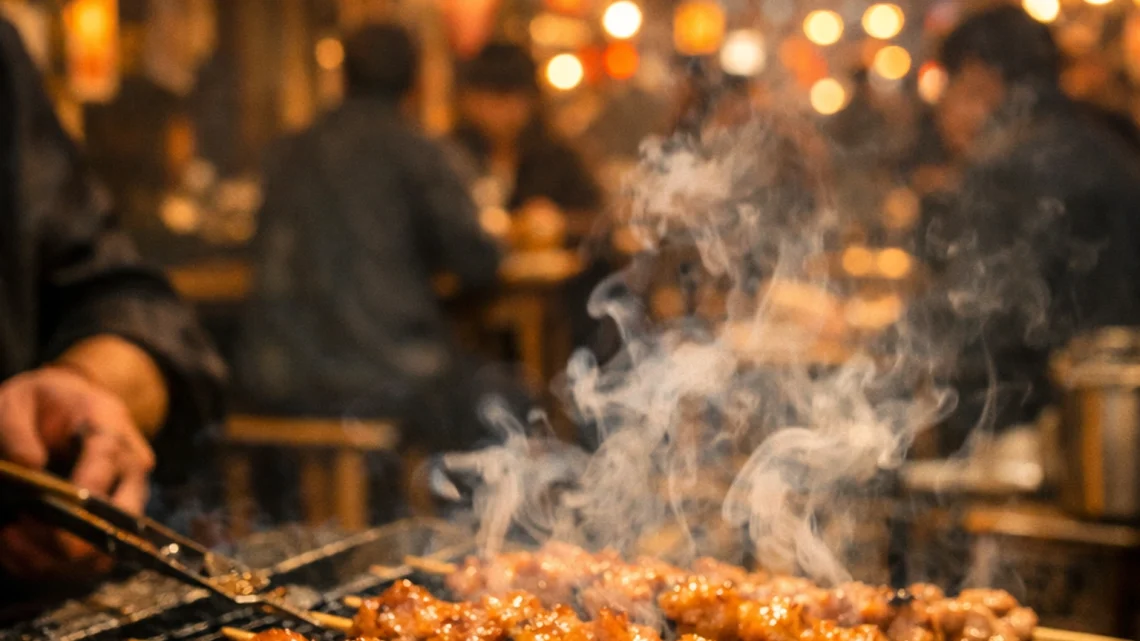
Seriously. 7-Eleven, FamilyMart, and Lawson are your best friends. Onigiri (rice balls) for $1.50. Egg sandwiches. Hot noodles. Even decent sushi. It’s not fine dining, but it’s fresh and filling. And for a real meal, hit ramen shops for $8 bowls or gyudon (beef bowls) at chains like Yoshinoya. Street food in markets like Nishiki in Kyoto? Also affordable. Just avoid tourist-trap restaurants near temples.
Scandinavia: The Picnic Hack
Eating out in Scandinavia is brutal. A simple pizza can cost $25. So, do what locals do: hit the supermarket. Coop, Rema 1000, or ICA. Grab bread, cheese, cured fish, and some apples. Find a park. Boom—instant picnic. Also, look for “dagens rätt” (daily special) in Swedish restaurants—often a lunch plate for under $15. And never, ever buy bottled water. Tap water is pristine.
Oh, and one weird trick? In Denmark, try smørrebrød (open-faced sandwiches) from a bakery instead of a restaurant. Half the price, twice the flavor.
Getting Around Without Going Broke
Transport can be a sneaky expense. Here’s the breakdown for both regions.
| Destination | Best Budget Transport Strategy | Cost-Saving Tip |
|---|---|---|
| Japan | Japan Rail Pass (if traveling between cities) | Buy it before you arrive. Only worth it for long distances. |
| Japan | Local trains & buses (IC cards like Suica) | Use for short hops. No need for rail pass in one city. |
| Scandinavia | FlixBus or long-distance buses | Cheaper than trains. Book early for $5–10 fares. |
| Scandinavia | Walking & biking | Cities like Copenhagen are bike-friendly. Rent one for $15/day. |
In Japan, don’t overlook overnight buses. They’re comfy (reclining seats, blankets) and save a night of lodging. In Scandinavia, consider the “Scandinavian Rail Pass” if you’re hopping countries—but honestly, buses are often cheaper.
Free and Cheap Things to Do (They’re Not All Tourist Traps)
You don’t need to spend $50 on a museum to get the culture. In fact, some of the best experiences are free.
- Japan: Visit shrines and temples—most are free or cost a few dollars. Walk the Philosopher’s Path in Kyoto. Explore Akihabara’s electronics district (window shopping is free). And check out free observation decks like the Tokyo Metropolitan Government Building.
- Scandinavia: Hike in national parks (Norway’s fjords are free to explore). Visit public parks like Vigeland Sculpture Park in Oslo. Many museums have free entry on certain days—like the National Museum in Stockholm on Wednesdays.
Pro tip: In Copenhagen, rent a bike and just… ride. You’ll see canals, castles, and quirky neighborhoods. It feels like a movie. And it costs almost nothing.
Money-Saving Mindset: The Little Things Add Up
Look, I’m not saying you should skip every experience. But a few small habits can save you hundreds. Bring a reusable water bottle. Pack a few snacks from home (granola bars, instant coffee). Use public laundry instead of hotel services. And for the love of all that is holy, avoid currency exchange booths at airports—use ATMs instead.
One more thing: learn a few local phrases. In Japan, saying “sumimasen” (excuse me) or “arigato” can get you better service. In Scandinavia, a simple “hej” (hello) goes a long way. People appreciate the effort, and sometimes that leads to discounts or free advice.
The Real Secret? Slow Down
Here’s something travel blogs don’t always tell you: rushing costs money. When you try to see five cities in ten days, you pay for transport, last-minute bookings, and expensive convenience food. Instead, pick one or two spots. Stay a week. Rent an apartment. Cook a meal. Get to know the local market. You’ll spend less and feel more.
In Japan, I spent a week in a small town near Osaka called Nara. I fed deer, visited a temple, and ate at a tiny soba shop run by an elderly couple. Total cost for that week? Less than a single night in a Tokyo hotel. In Norway, I camped (legally, with a tent) near the fjords. The view was priceless. The cost? Zero.
Wrapping It Up Without the Fluff
Budget travel in high-cost destinations isn’t about deprivation. It’s about being clever. It’s about knowing that a $2 onigiri from 7-Eleven can be just as satisfying as a $50 kaiseki meal—maybe more so, because you’re eating it on a park bench watching cherry blossoms fall. It’s about realizing that a hostel common room in Stockholm might lead to a conversation with a stranger that changes your perspective.
So, go ahead. Book that flight. Pack light. And remember: the best things in life—and in travel—aren’t always the most expensive. They’re the ones you figure out along the way.


